 Skip to content



It is possible to combine your trip to Sumatra, Bali, or Java with a responsible attitude, just as it is possible to eat a balanced diet with quality products without depriving yourself. Far from being a fad or trend, this is a clear stance on the part of travelers.
Responsible tourism can have several names: ecotourism, solidarity travel, ethical travel… But ultimately, it is the foundation of profound respect for the environment, wildlife, flora, and local populations, regardless of the destination.
Indonesia and Ethical Travel
The main idea that defines the responsible traveler in Indonesia is their ability to arrive with a deep desire for immersion and, upon departure, to leave nothing behind that could contribute to polluting the country, whether through waste or attitude.
At Amanaska, we believe this begins with awareness, simple gestures—often free—and a mindset that recognizes we are all responsible for the planet and that our way of traveling determines its future.
Indonesia is aware of the importance of sustainable tourism and has already initiated numerous cleanup operations, considered other forms of more ethical travel, and implemented laws prohibiting the use of plastic bags, as in Bali since January 2019. Much work remains, but it is important to recognize that this country comprises more than 17,800 islands and that environmental practices are not the same everywhere. It is up to us, as travelers, to respect these initiatives and set an example so that our trip to Bali becomes a source of inspiration for the locals themselves.
Calculating our carbon footprint, limiting the impact of our actions by making the right decisions, and thinking with consideration for the consequences of our choices must be part of our way of traveling. This should not be viewed as a constraint but rather as a source of pride and pleasure: being part of a collective that becomes an actor in a world where everyone does their part to make it fair, caring, just, and generous.
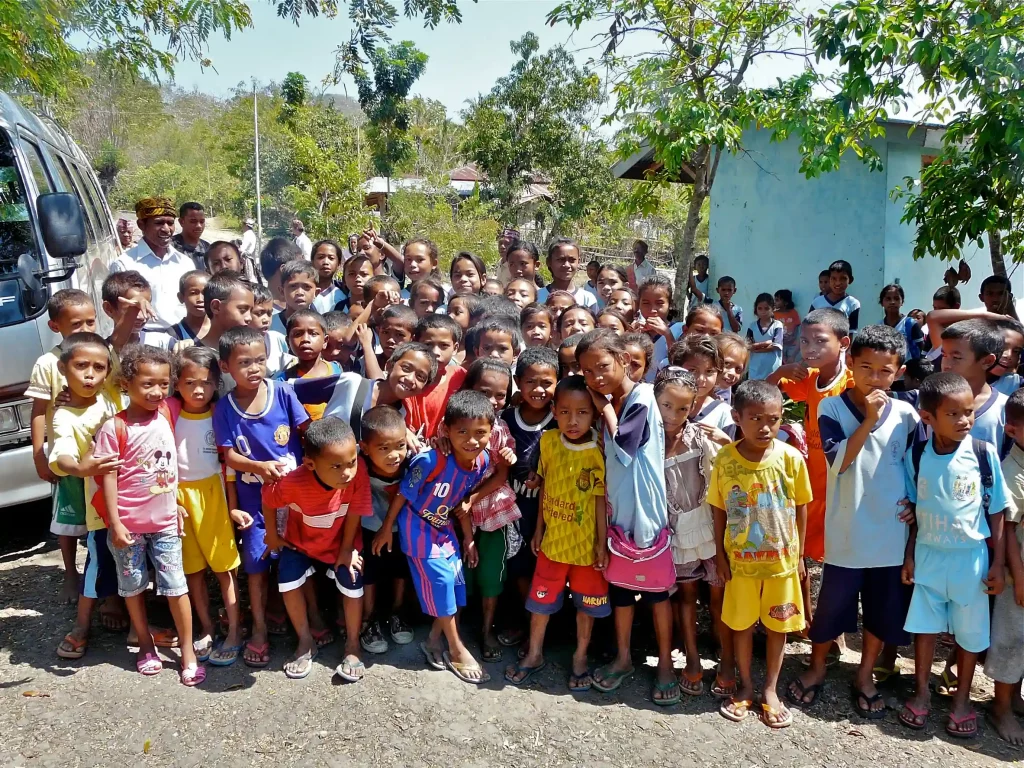
Of course, it is important that tourism professionals, such as our agency Amanaska, take a clear position and develop travel experiences that meet your expectations. It is necessary for professionals to study viable solutions, come together around initiatives that often complement each other to maintain consistency, and share them with you.
Ultimately, it is the traveler—you—who, on the ground, will convey the values our agency has chosen to uphold: you become our ambassador. It is you who, through your perspective, kindness, curiosity, and involvement, will make possible what Amanaska has envisioned. Understanding you, engaging with you, listening to you, sharing our values with you, and involving you goes beyond the work of a simple “salesperson” sitting behind a desk selling a destination: it requires creating a bond, honest trust, based on fundamental principles of sustainable travel that everyone can understand and to which we can all commit.
Culture Shock
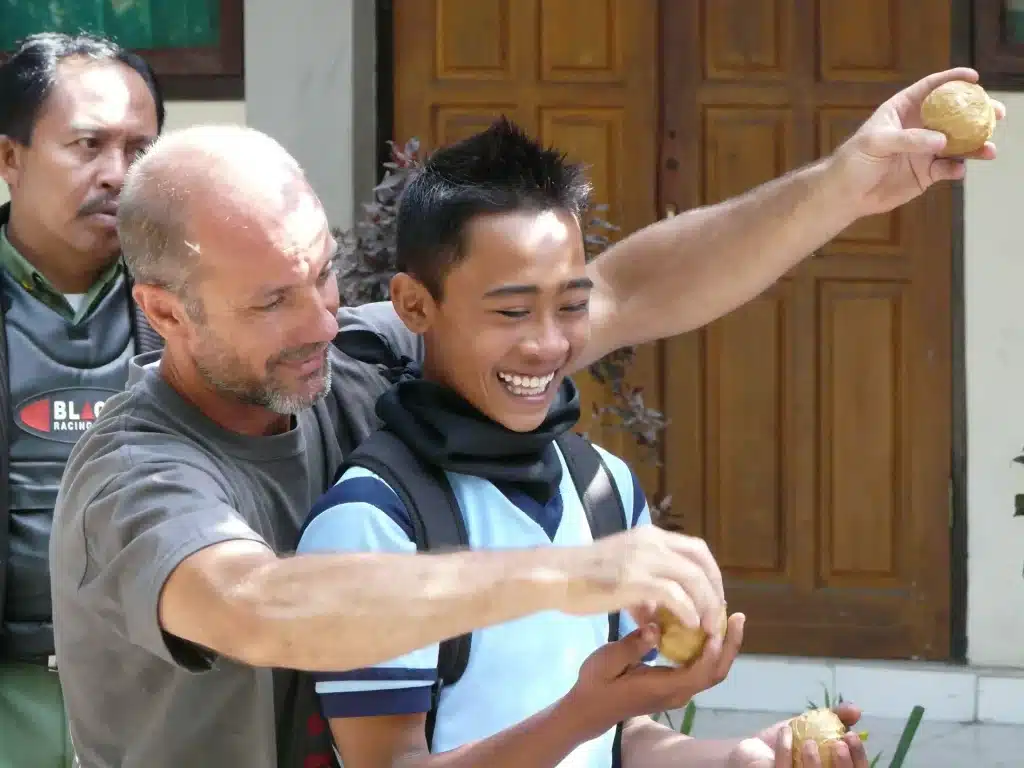
Each island of Indonesia, such as Sulawesi, has its own culture, some of which are thousands of years old. They may clash with our sensibilities, but they hold paramount importance for the peoples who practice them. The cult of the dead in Sulawesi, the relationship with spirits in Bali, the matriarchal society in Sumatra, animal sacrifices in Flores: all ancestral traditions that are foreign to us. Just as retirement homes, bullfighting, or force-feeding geese are not necessarily understood in Indonesia.
Of course, we may not agree with certain practices, may not like them… but should we therefore condemn, denounce, or impose? Where is the line? This is a sensitive subject because it can challenge our own convictions.
Let us simply take the example of food. For most of us, it would be inconceivable to eat dog or cat. Yet in some Asian countries, our four-legged companions are appreciated delicacies—not necessarily for their taste, but to ward off bad luck, chase away illness, or simply because there is no other choice. Let us be clear: we do not recommend trying it, but simply understanding that the cultural approach has no connection to our Western fundamentals.
For many, we eat pork or beef, and numerous people cannot understand how we could do so, whether due to religious conviction or simply personal choice. We base our disgust on what we know, on what we have been taught: what is good or bad, according to solid arguments ingrained since birth. Accepting the very idea of understanding or trying would make us a “heretic.”
Frogs or snails, often enjoyed by the French, are dishes that are inconceivable in other parts of the world, and their consumers are severely judged.
Without even speaking of consuming foods that might seem repugnant to us, the very image of an animal differs from country to country. A cow in France is not regarded the same way as in India. Who is right? Not to mention horses or camels, simple utilitarian means of transport for some and noble animals to protect for others. This is not about accepting animal cruelty but about being able to respond specifically, intelligently, and with full knowledge of the consequences of the decisions we make.
Unlike other travel agencies based in Bali or elsewhere, Amanaska has carefully considered this issue. We systematically condemn all animals held in captivity, particularly dolphins placed in pools. However, when meeting one of the project’s initiators, he emphasized that young children could play with the cetaceans and that it was an excellent “tool” for children with autism. We have accompanied two families with autistic children, and we did not need to have them swim with captive dolphins for them to have a wonderful trip. Nothing therefore justifies the exploitation of an animal. This also applies to luwaks, a type of civet placed in cages that produce through their droppings one of the world’s most expensive coffees.
In both cases, we offer an alternative: go see dolphins in the sea at Lovina—admittedly touristy, but this attraction has the merit of showing free cetaceans—and visit places where luwaks live in freedom. We can also choose not to support places with animals in general. But generalizations are dangerous because they have implications that go beyond our own morality. Only knowledge of the subject can allow us to respond on a case-by-case basis. Amanaska is thus committed to projects and conducts numerous site visits to enable you to make choices that align with sustainable and respectful tourism.
For example, in Sumatra, in Gunung Leuser Park, one of three UNESCO World Heritage sites, there is an elephant conservation center. Travelers can stop there and spend time with the animals. It helps save elephants (fewer than 2,000 in Sumatra), better understand their habits, combat poaching, raise awareness among locals, and generate salaries for caretakers. We include this park in one of our programs. Comfort may not always be guaranteed, but immersion and authentic encounters are.
More than a dogma or strict position, being a responsible traveler means above all being open, curious, generous, accepting the release of one’s reference points, and trying to leave no trace of our passage so that we can find Indonesia later just as we loved it.