 Skip to content



There are those who travel to see. And then, there are those who travel to Bali differently. To understand, to feel, to immerse themselves, to live. In Bali, this distinction takes on its full meaning. The island is not a backdrop—it is a world unto itself. A world where you do not simply pass through: you enter. Slowly. With respect. With curiosity. And, above all, with yourself.
At Amanaska, this idea guides our entire approach. We do not sell itineraries; we build bridges. Our stays in Bali are inner journeys as much as outer ones. This philosophy runs through the series of articles we have gathered under the name Traveler Space. An invitation to slow down, to observe, to choose differently—not to do less, but to experience more.
Traveling to Bali differently begins… with yourself
The first article in this series, How to Ruin Your Vacation in Bali, sets the stage from the outset. It is not about mocking, but about highlighting with a touch of humor how much our way of arriving in a place shapes what we will receive from it.
Wanting to see everything, do everything, check everything off is often the best way to miss the point. In Bali, you do not enter as a conqueror; you enter as a guest. The Balinese rhythm is a breath. And those who know how to attune themselves to it experience something far richer than any guidebook could promise.
Making room for the real
In The ABCs of Traveling to Bali Without Filters, we take a step back from the clichés. Yes, Bali is photogenic. Yes, you will find beaches, temples, and smoothie cafés. But if you come looking for a postcard backdrop, you risk missing what matters most: real Balinese life.
The life of markets at dawn. Unexpected power outages. Ceremonies that disrupt schedules. The charm of Bali lies in this living imperfection, this ability to remind you that travel is a terrain of adjustment, not a finished product.
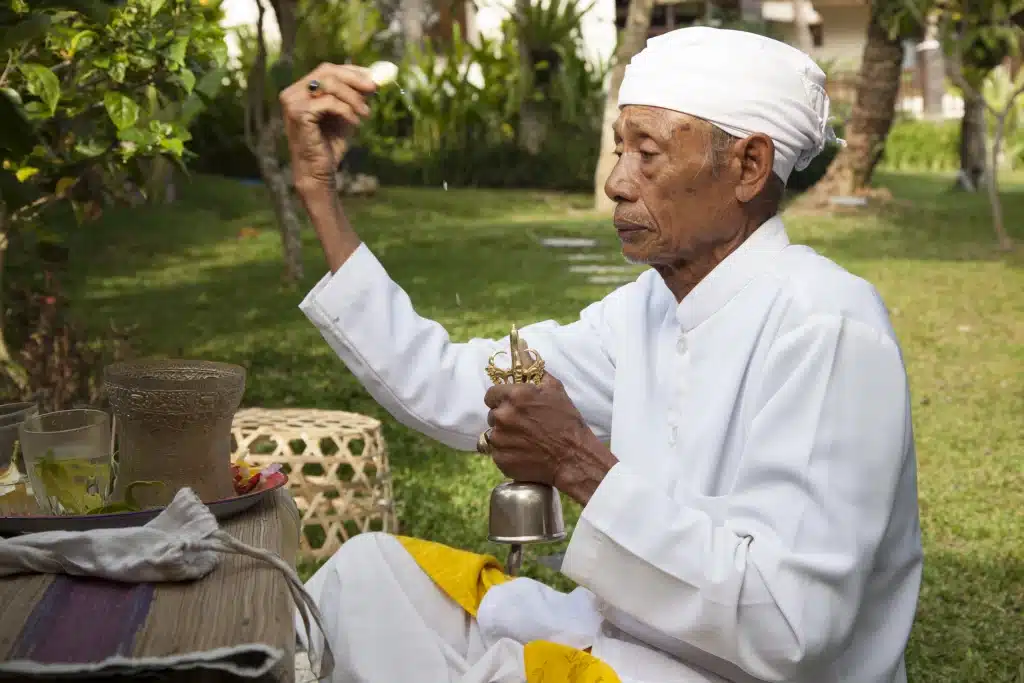
Travel, a mirror of oneself
The article Our Travelers According to Amanaska does not speak of customer profiles, but of inner postures. It reminds us that every traveler is different—some seek contemplation, others adventure, still others a space for personal transformation. None are wrong. But each benefits from knowing themselves a little better before departing.
Do you want silence or stimulation? The unknown or comfort? Connection or chosen solitude? Bali welcomes all of this, but only if you know what you are coming to find. Travel then becomes an extension of yourself, not an escape.
Traveler ethics: choosing consciously
When Travel Becomes Ethical explores this deeper dimension of movement. It is not simply about “respecting” Bali as a moral imperative. It is about recognizing that every choice—a hotel, a guide, an activity—has an impact.
We discover that ethics is not a militant stance. It is a collection of small gestures, choices aligned with what you truly wish to experience: staying in a place that supports a local community, learning to say hello in Balinese, favoring genuine encounters over “Instagrammable experiences.” Nothing complicated, but a great deal of coherence.
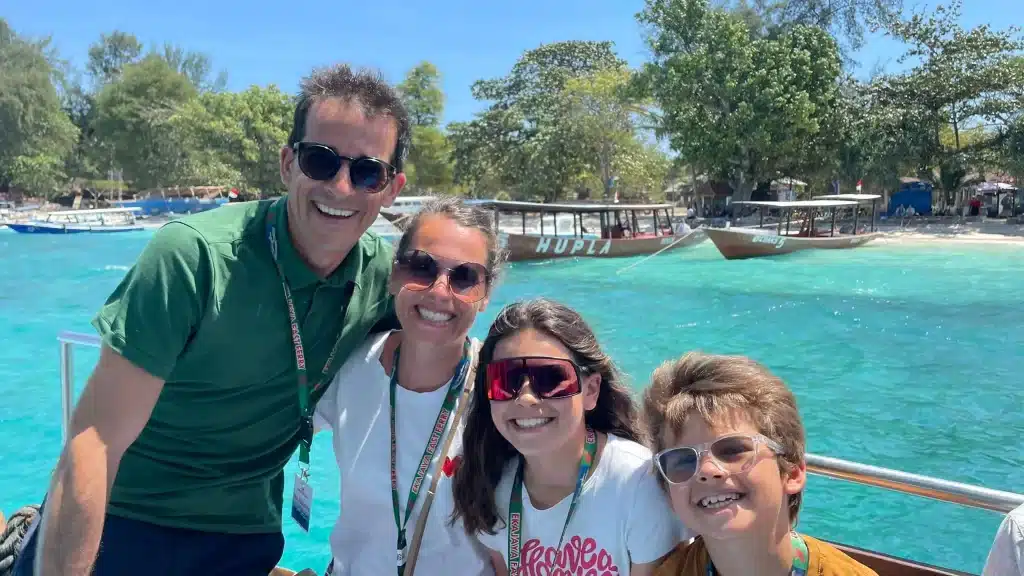
Travel as a slow commitment
Finally, the articles Understanding Carbon Footprint and Gestures and Reflexes of an Eco-Responsible Traveler remind us that traveling today is never neutral. This is not to induce guilt. It is to give ourselves the means to do better, in our own way. Perhaps traveling less often, but for longer. Perhaps offsetting, recycling, supporting.
Bali is a land of balance. And it is by balancing our own actions that we contribute to maintaining this subtle harmony between nature, culture, and hospitality.
Conclusion: better than seeing, inhabiting
The common thread of this series is clear: traveling to Bali is not a performance. It is an inner experience, a subtle shift that begins with a posture. Preparing for this posture means giving yourself every chance to experience a transformative journey.
Far from activity lists, Traveler Space is a gallery of perspectives, questions, and stories built by guides who live in Bali and written by those they have welcomed. It does not tell you what to do. It helps you understand why you are leaving. And that is perhaps where the real journey begins.