 Skip to content



Most guides recommend visiting Bali between May and October, the officially “dry” season. The result: full flights, booked hotels, and sometimes crowded beaches. However, traveling from November to May (what the Balinese call the musim hujan) offers countless advantages that brochures overlook. At Amanaska, a French-speaking travel agency in Bali, we wanted to tell you about it… with a little extra poetry.
If you are considering traveling to Bali in a more intimate, economical, and… verdant way, the rainy season seriously deserves your attention. We live where you travel, and as a travel agency in Bali specializing in tailor-made tours, we wanted to tell you about the Bali we know well: sometimes rainy, it’s true, but also more authentic, freer, and brighter.

Visiting Bali with less restrictive weather than imagined
The term “rain” often conjures images of endless days under a slate-gray sky. In Bali, the experience is quite different: the sun shines for most of the day, then a vigorous storm breaks out in the late afternoon. The downpour rarely lasts more than an hour, giving way to dramatic clouds perfect for photography.
So there is no monsoon in the sense usually imagined in Asia with incessant torrential rains.
Radiant morning: the light from 6 AM to 10 AM reveals chlorophyll-saturated rice paddies, a perfect backdrop for a nature-focused Bali tour.
Tropical afternoon: when the rain arrives, take refuge in a spa, a batik workshop, or enjoy a Balinese coffee under the alang-alang roof of a warung.
Flaming sunset: atmospheric humidity often leads to multicolored twilight, especially in South Bali.
Balinese Landscapes at Their Peak
The wet season is when the island dons its most beautiful attire. Banana trees are laden with fruit, bamboos bend under their own luxuriance, and waterfalls roar with impressive power.
Emerald green rice paddies:
• Jatiluwih
• Sidemen
The flooded plots form perfect mirrors for photography.
Revitalized waterfalls:
• Sekumpul
• Tegenungan
• Gitgit
They transform into roaring curtains of water.
Pristine coral gardens:
On the east side (Amed, Tulamben), the sea remains clear even during the austral winter; divers enjoy astonishing visibility.

Visiting Bali with Fewer Crowds and More Authenticity
Traveling to Bali off-season offers a different relationship with the Balinese. Guides have more time, artisans are more available, and sacred sites breathe at their natural pace.
Peaceful temples: strolling through Pura Lempuyang or Tirta Empul without queuing transforms the visit into an authentic spiritual experience.
Less crowded surf: swells from Australia calm down, making spots like Sanur or Serangan perfect for beginners.
Lower prices:
• Hotels: –20 to –40%
• Villas: negotiable last-minute rates
Extraordinary Light for Photography
Cumulus clouds filter the light and enhance contrasts. The rice paddies capture the sky in their mirror-like surfaces; temples stand out against a dramatic backdrop. Wedding photographers know it: this period is their golden season.
Discover Bali, its internal festivals, and community life
Gamelan schools, dance troupes, and textile art workshops intensify their practice. You will easily find:
• a gangsa workshop in Ubud
• an ikat course in Gianyar

Locals appreciate the presence of curious foreigners during these quieter months; interaction becomes less commercial, more educational.
Less Crowded Balinese Roads
The epic traffic jams of July-August – Tanah Lot at sunset, Monkey Forest Road in Ubud – become smoother.
Estimated travel time:
• Seminyak → Ubud: 45 min (vs 90 min in high season)
Practical Tips for Managing Rain in Bali
• Plan your outings in the morning: a 7 AM departure for a volcano or waterfall ensures blue skies and dry trails.
• Poncho rather than umbrella: ideal for scooters.
• Breathable shoes: sports sandals or mesh sneakers.
• Waterproof case: essential for filming a storm.
• “Joker” day: a Balinese massage compensates for any postponed excursion.
Some health precautions and ideas when visiting Bali during the rainy season
Humidity favors mosquitoes and minor fungal infections.
Bring:
• repellent (30% DEET)
• antifungal cream
• electrolytes
Modern medical centers (BIMC, Siloam) remain open 24 hours.
Off-Season Bali Holiday Itinerary Ideas
Waterfalls & Coffee Tour – 5 days
• Munduk – Sekumpul – Jatiluwih – Batukaru – barista workshop in Kintamani
Diving & Yoga Week
• Amed → Tulamben → Nusa Lembongan → Ubud
Family Tour in Bali – 8 days
• Sanur → Sidemen → Besakih → Lovina → Bedugul
When the Rainy Season Becomes an Asset for Visiting Bali
Choosing the rainy season means experiencing Bali differently: you trade the guarantee of constant sunshine for a more vibrant landscape, more available encounters, and a breathable budget. This meteorological gamble almost always pays off.
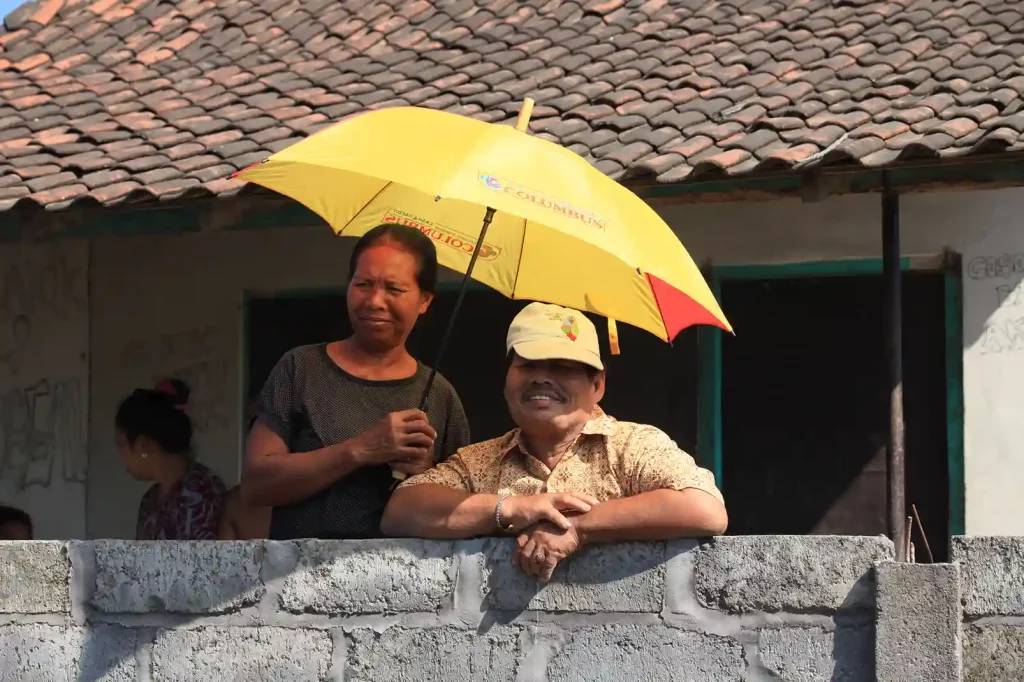
So, if your adventurous spirit pushes you to travel to Bali without following the crowds, dare to embrace the monsoon! You will return with the impression of having seen an island that reveals itself only to those who love it in all its colors, even the changing ones of a stormy sky.